
Resilience
A television that listens to the room with the screen off: why our video walls are not on the network
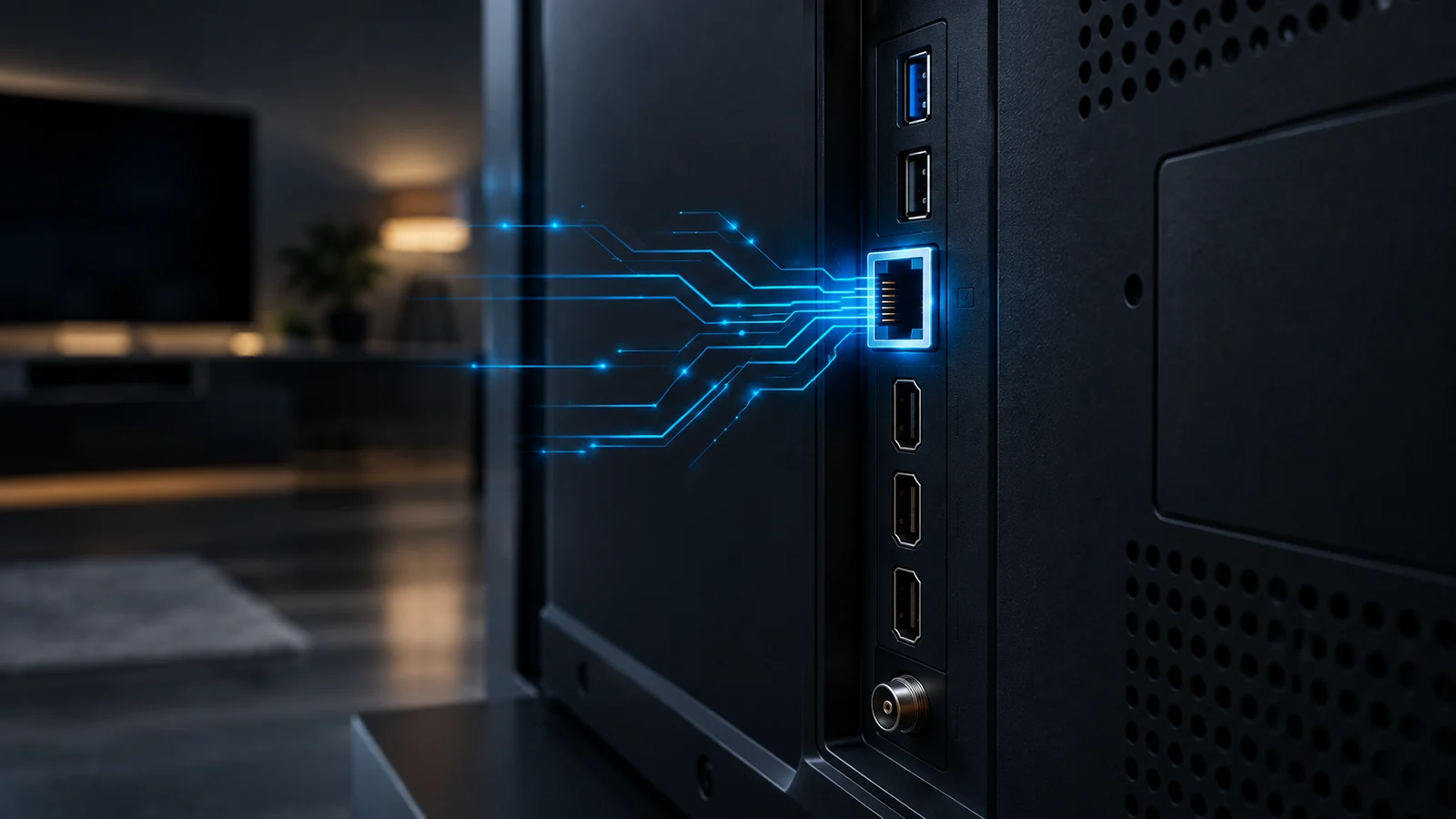
This week, researchers showed that LG smart TVs were recording ambient sound even in standby, continuously scanning the whole local network (phones, printers, watches, air conditioning) and sending all of it back once the connection returned. A screen sold for 500 euros that turns into a Trojan horse in your home.
That is where all-IP leads.
The question to ask in a command room
In a COD (French departmental operations centre), a prefecture, an SDIS (French fire and rescue service), let us put the question differently: do you really want your screen walls on the network?
At Easy Multi Display, we made the opposite choice from the start. Our video walls are not connected to the network. Sources arrive over HDMI, captured by hardware, not through a network socket. No stream going out, no device “phoning home”, no attack surface. What happens in the room stays in the room.
All-IP, we know it well
It is attractive on paper, and a money pit in real life. Expensive, heavy to deploy, fragile the day the network goes down, and above all one more way in. Our clients have lives to manage in a crisis room, not a fleet of bugs to keep an eye on.
A consumer television can perfectly well serve as a panel in a video wall: that is even what makes our walls so affordable. But we never connect it to the network. It receives a picture through a cable, and nothing else.
Sovereign. Local. No cloud. No subscription. Made in France.
A screen is there to display. Not to listen.